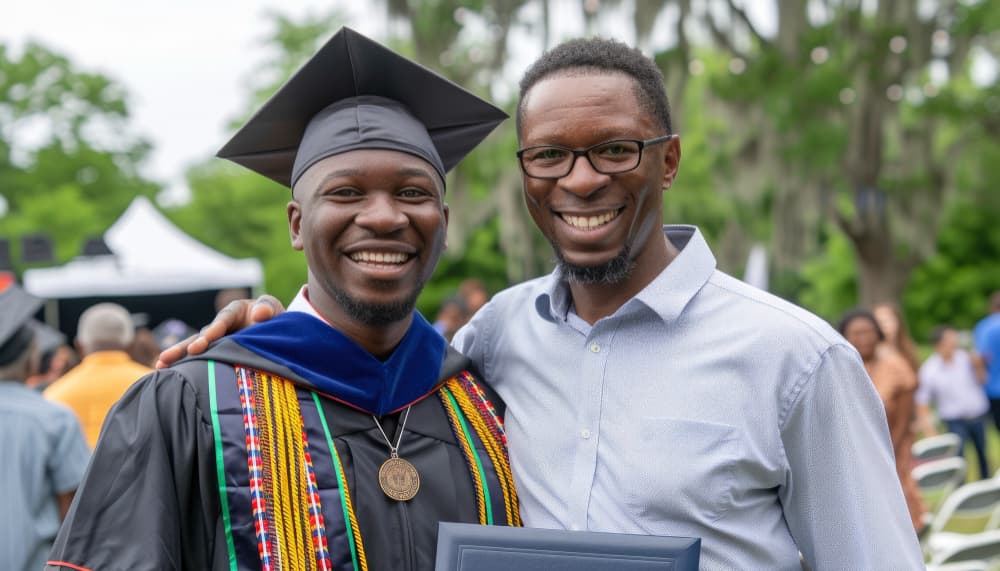
Winning a fully funded international scholarship is the dream for millions of students. Chevening (UK), Fulbright (USA), DAAD (Germany), and Erasmus Mundus (Europe) are among the most competitive and prestigious — and the application processes are long and thorough, requiring academic strength, leadership evidence, and genuinely good storytelling.
The good news: students who prepare strategically can meaningfully improve their odds. This guide walks through what each scholarship’s selection committee actually looks for, and how to build an application around it — checked against each programme’s current official guidance rather than generic scholarship-blog advice.
Why These Scholarships Are So Competitive
Chevening, Fulbright, DAAD, and Erasmus Mundus are globally recognised because they typically offer full tuition coverage, a living stipend, travel allowances, visa support, and a genuine international network — they’re designed to fund future changemakers, not just strong students.
What All Four Have in Common
Despite their differences, all four programmes are assessing for similar things:
- Academic excellence
- Demonstrated leadership potential
- A clear vision for the future
- Intended impact on your home country or community
- Strong, clear communication
- Cultural adaptability
- An authentic personal story backed by specifics
1. Chevening Scholarship (UK)
Chevening is a UK government scholarship covering full tuition, living costs, travel, and visa costs for a one-year Master’s in the UK.
What Chevening actually looks for, per its own current guidance:
- Leadership and influencing skills — evidence you’ve taken the lead and influenced others, with clear, measurable results. This doesn’t require a formal title; academic, professional, community, or entrepreneurial leadership all count.
- Networking skills — how you’ve built and maintained professional relationships, and how that collaboration led to real outcomes.
- Course and university choice — how your first-choice course specifically equips you to address challenges linked to current UK priority areas (this essay has shifted toward being about your specific course choice rather than a general “studying in the UK” reflection).
- Career plan — a clear, realistic, and measurable short-, medium-, and long-term plan for the impact you intend to have after the scholarship.
How to strengthen your application:
- Write to the current word limits. Each of the four essays runs 100–500 words. Chevening’s own guidance explicitly warns that essays well under the limit read as thin — use close to the full word count.
- Choose three UK courses strategically. They should be similar in content and reflect a consistent career direction, since you only need one unconditional offer to proceed.
- Get recommenders who know you well. Generic or overly senior recommenders who barely know you are a common rejection reason cited by Chevening’s own reading committees.
- Prepare for a competency-based interview, structured around your leadership examples, moments of influence, setbacks, and career vision. The STAR method (Situation, Task, Action, Result) works well here.
Official guidance: chevening.org
2. Fulbright Foreign Student Program (USA)
Fulbright funds international students for Master’s or PhD study in the US, covering tuition, living costs, insurance, and travel.
What Fulbright looks for:
- A strong academic and professional profile — above-average grades, relevant research or professional experience
- Demonstrated community impact — concrete examples, not just intentions
- Genuine openness to cultural exchange, since Fulbright’s core mission is cross-cultural understanding, not just funding a degree
How to strengthen your application:
- Treat the Personal Statement as your life story, not an academic essay. It should answer who you are, what’s shaped you, and why Fulbright and the US specifically fit your path.
- Write a focused Study Objective essay covering what you want to study, why it matters, and how it connects to your home country’s needs.
- A strong GRE score helps but isn’t mandatory everywhere — requirements vary significantly by field and host institution, so check your specific programme’s requirements rather than assuming.
- In interviews, avoid rehearsed answers. Fulbright panels are generally looking for clarity and honesty over polish.
Official guidance: foreign.fulbrightonline.org
3. DAAD Scholarships (Germany)
DAAD (German Academic Exchange Service) funds Master’s and PhD study, with development-focused programmes like EPOS being especially well-known.
What DAAD looks for:
- Strong academic transcripts and a relevant Bachelor’s degree
- For development-related programmes (EPOS specifically), at least two years of relevant professional experience after your degree — this is a hard requirement, and importantly, internships and unpaid or voluntary work do not count toward it; only paid, relevant employment does
- A genuine, well-argued motivation to contribute to development, sustainability, or governance in your home country
- A clear, specific study and research plan
How to strengthen your application:
- Write a specific, sincere Letter of Motivation connecting your professional experience directly to your study goals and the programme you’re applying to.
- Choose the right programme group. EPOS (development-related programmes), the Helmut Schmidt Programme (public policy and governance), and dedicated research grants for PhD candidates are the main routes — apply to the one that actually matches your background, not just the most famous name.
- Use a Europass-format CV, which DAAD and German institutions generally expect.
- Get recommendation letters from employers or supervisors, not just professors, since professional impact matters heavily for development-track programmes.
Official guidance: daad.de
4. Erasmus Mundus Joint Master’s Degrees (EU)
Erasmus Mundus Joint Master’s Degrees (EMJMDs) fund study across 2–4 European universities, covering tuition, a monthly allowance, and travel.
What Erasmus Mundus looks for:
- Strong academic performance combined with a genuinely diverse background
- Adaptability and a global mindset, since you’ll be studying across multiple countries
- A clear, direct link between your Bachelor’s degree, your professional or research experience, and your chosen programme
How to strengthen your application:
- Make your Motivation Letter the centrepiece of the application — cover why this specific programme, why Europe, and how the mobility structure fits your goals.
- Tailor your CV to highlight projects, research, and international exposure, not just grades — Erasmus values well-rounded profiles over pure academic toppers.
- Choose recommenders who can speak to teamwork, research potential, and adaptability specifically.
- Apply early. Deadlines for individual Erasmus Mundus programmes vary — many close between December and February for the following academic year, and popular programmes fill quickly, so check your specific programme’s deadline rather than assuming a single date applies across all of them.
Official guidance: erasmus-plus.ec.europa.eu
How to Stand Out Across All Four
Build a genuine leadership portfolio. Leadership isn’t about titles — it’s about impact. Leading a university project, starting a small initiative, or organising a community event all count, especially when quantified: “trained 50 volunteers,” “increased participation by 60%,” “raised $2,000.”
Show a clear, credible vision. All four programmes want to see a short-term plan, a longer-term ambition, and how the scholarship specifically bridges the two — vague plans read as weak regardless of how polished the writing is.
Write essays that show rather than tell. Open with a specific moment, not a general claim. Use real examples with real outcomes rather than abstract descriptions of your character.
Choose recommenders who actually know your work, not the most senior person you can find. A detailed letter from someone who worked closely with you carries far more weight than a generic one from someone impressive on paper.
Build a clean, professional CV covering academics, work experience, research, achievements, and relevant skills.
Practice for interviews using the STAR method — Situation, Task, Action, Result — and prepare specific stories rather than scripted answers, since panels commonly probe for follow-up detail.
Apply early, and apply broadly. These four scholarships are genuinely competitive even for exceptionally strong candidates, so applying to more than one increases your odds meaningfully. NovaGrad’s Scholarship Finder can help you build out a wider shortlist alongside these four.
Final Thoughts
Winning a scholarship like Chevening, Fulbright, DAAD, or Erasmus Mundus is genuinely achievable, including for students from modest backgrounds — every year, applicants from developing countries win these awards because they tell specific, evidenced stories and articulate a clear vision, not because of exceptional wealth or connections.
Disclaimer: This article is for general information only, based on publicly available official guidance current as of publication. Scholarship requirements, essay formats, word limits, and eligibility criteria change frequently — always check each scholarship’s official website before building your application around any detail in this guide. We do not represent, endorse, or have any affiliation with Chevening, Fulbright, DAAD, or Erasmus Mundus, and we do not guarantee admission, scholarship selection, or visa approval.